
Blaxploitation cinema exploded onto the scene in the 1970s, creating waves in both culture and the film industry. So, what exactly is Blaxploitation? It’s a film genre that came about to counter the typical Hollywood narrative that often sidelined African American voices and stories. These films carved out a space for black directors, writers, and actors to tell their own stories through a unique cinematic lens.
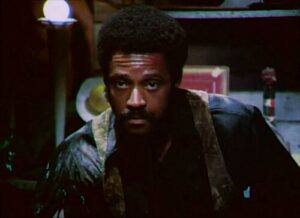
The backdrop here is fascinating. The civil rights movements of the 60s had awakened a new cultural awareness in America—blending political activism with creativity. In the thick of this vibrant era, filmmakers like Gordon Parks and Melvin Van Peebles took the helm, pushing boundaries and creating art that resonated deeply with African American communities.
Blaxploitation films weren’t just about the plotlines. They mirrored the real-world struggles and victories of African Americans. Titles explored themes of racial injustice, community empowerment, and sometimes even edgy action plots with protagonists you couldn’t help but root for. By doing so, these films held a mirror to society, reflecting both its flaws and its potential.
Beyond just entertainment, these movies fueled dialogue around black culture and identity, reaching audiences both in the U.S. and globally. They became cultural landmarks, often integrating stunning soundtracks that included iconic artists like Isaac Hayes and Curtis Mayfield. This music not only amplified the emotional impact of the films but also ensured they were a feast for the ears too.
Blaxploitation cinema started a movement, shaking up mainstream narratives and crafting new ones where African American individuals were not side characters, but the heart of their own stories.
Iconic Films and Characters: Breaking Stereotypes and Building Legacy
Blaxploitation films weren’t just groundbreaking—they introduced a cast of unforgettable characters who shattered Hollywood norms. These movies weren’t afraid to flip the script, offering up heroes who were strong, savvy, and unapologetically black.
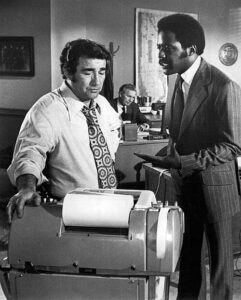
Take ‘Shaft’, for example, a classic that introduced us to John Shaft, the cool private detective with an unmistakable style. This wasn’t your typical movie detective; Shaft was a trailblazer, leading the charge for African American representation on the big screen. He wasn’t a sidekick or a token character—he was the main event, and that was monumental.
Then there’s ‘Super Fly’, which, alongside its star Ron O’Neal, posed big questions about power, ambition, and survival within urban communities. It wasn’t just about action; it was about real stories and struggles woven into captivating narratives. Such films didn’t just entertain—they made audiences think and feel in ways that had rarely been done before.
One of the hallmarks of these films was their focus on music. Blaxploitation soundtracks were legendary, often reaching the heights of the charts and becoming just as iconic as the films themselves. The rhythms and melodies perfectly timed with the story added another layer entirely, making music almost a character of its own in these films.
These films and their stars were game-changers. They invited us to see a new perspective, to rewrite the narrative where African Americans held the power, the appeal, and the victory. While these on-screen moments were a departure from what Hollywood was previously offering, they laid the groundwork for the diverse cinematic voices we see today.
Criticism and Controversies: The Dual Perspective
Blaxploitation cinema didn’t just pull in applause—it also stirred up a fair amount of controversy. Some critics argued these films glossed over deeper societal issues with flashy storylines and exaggerated stereotypes. There were concerns about whether these portrayals reinforced negative views rather than breaking them.
Within the African American community, opinions were split. Some saw these films as a breath of fresh air, finally depicting black characters with agency and relatability. Others worried that the oversimplified narratives and heavy emphasis on crime-fueled themes might perpetuate harmful stereotypes of African Americans. It sparked debates about the difference between empowerment and exploitation.
Despite the mixed reviews, it’s crucial to remember the context. At a time when black representation in media was scarce, any platform was a valuable tool for change. These films pushed doors open, providing a stage for African American voices when few others did.
Critics didn’t just fume about reinforcements of stereotypes; they also grappled with the question of sensationalism versus storytelling. Were these films telling authentic stories, or were they merely selling exaggerated drama? In many cases, both interpretations held some truth.
Fast forward to now, and you can still see Blaxploitation’s DNA in contemporary cinema. Modern films and TV shows often celebrate these trailblazing works, incorporating their style, flair, and themes. Today, the complexity and duality of these films provide a rich bedrock for discussions about race, culture, and media representation.
Blaxploitation Cinema’s Enduring Influence on Modern Cinematography
Blaxploitation cinema might seem like a relic of the past, but its influence is alive and kicking in today’s movie and TV landscape. Directors and actors continue to tip their hats to this explosive era, drawing inspiration for both form and substance.
You can spot Blaxploitation’s fingerprints everywhere, from the sharp storytelling techniques to the bold use of music. Movies today often echo the style and dynamic that films like ‘Shaft’ and ‘Coffy’ introduced decades ago, proving that a good story transcends time and place.
Look at directors like Quentin Tarantino, who openly admits his films are heavily influenced by the gritty, defiant nature of the 70s classics. Modern movies often borrow the genre’s signature tone, complex characters, and soundtracks that make you groove.
And it’s not just directors; actors have also been inspired. The strong, decisive roles pioneered back in the 70s paved the way for today’s diverse range of complex, multifaceted African American characters in cinema and TV.
These films set the groundwork for a new wave of representation, encouraging the film industry to continually push the envelope with diverse characters and stories. Now, we see a broader array of identities explored on screen, something that challenges norms and embraces inclusivity.
Looking ahead, the legacy of Blaxploitation continues to prompt conversations about diversity and representation in media. Its influence has ensured that the door remains open for new stories, so the narratives keep evolving, becoming more inclusive and reflective of the world around us.