Director’s cuts have always been a thing of intrigue for movie buffs. These special versions often offer a peek into the unfiltered creative vision of filmmakers. But what exactly is a director’s cut? It can be an extended take with added scenes or perhaps a recut that changes the storyline altogether. Some folks look at it as a way for directors to showcase their true vision without studio meddling.
The concept of director’s cuts isn’t just a modern phenomenon. Way back, some films got re-releases with extended content. It’s tied to the history of cinema where directors have long sought to fine-tune their craft beyond the original theatrical release. Fast forward to now, and this idea has caught on, ballooning into a trend where almost every cult classic seems to get its own re-release.
There’s a wild balancing act between artistic freedom and a film’s commercial interests. Directors often face budget and studio pressures, forcing them to trim or alter their films. Director’s cuts can represent that unshackled vision—showing us what filmmakers really had up their sleeve when left to their own devices.
For movie fans, director’s cuts can either spell excitement or leave them scratching their heads. Some appreciate the extra layers of character development and depth, while others argue it messes with the magic they loved in the original. It’s about striking a chord with the audience without alienating their affection for the initial release.
Analyzing Cult Classics: Original Versions vs. Director’s Cuts
 How much impact can those extra scenes and tweaks have on our beloved films? It turns out, quite a bit. Director’s cuts are known for altering narratives and adding depth to character arcs. They can shift the entire mood or introduce twists that reshape our understanding of particular moments. But sometimes, changes are just too subtle to make a difference.
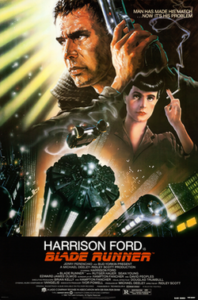
Some films undeniably shine brighter in their director’s cut versions. ‘Blade Runner’ and ‘Apocalypse Now’ are prime examples where such versions offer fresh perspectives and deeper contextual backgrounds that fans clamor for. They give these films a chance to breathe and showcase more of what amazed us in the first place.
Yet, not every director’s cut holds the same magic. Sometimes more isn’t better—crowded storylines or drawn-out sequences can drag the flow down, losing that crisp pace audiences loved in the original. It can become a matter of personal taste versus technical overkill, leaving the audience divided.
There’s a tug-of-war between creators, production houses, and viewers. Directors usually aim to present their complete vision, while studios might focus on box-office bites. Critics tend to weigh in on whether these additional cuts enhance cinematic quality or undermine the film’s initial grip. Everyone might not agree, but that’s part of what makes these conversations so lively.
Case Studies: Cult Classics Transformed by Director Attachments
Taking a closer look at ‘Blade Runner’ (1982), the saga of its many cuts is fascinating. From the theatrical release to the various director’s and final cuts, each version adds a different flavor. The director’s cuts remove the infamous voiceovers and offer a more ambiguous ending, changing how we perceive Rick Deckard’s journey.
Another interesting case is ‘Donnie Darko’ (2001), a film that gained a cult following thanks to its atmospheric storytelling and cryptic narrative. The director’s cut includes additional footage and a clearer explanation of the time-travel element, which some feel either enhances or distracts from its mysterious allure.
Then there’s ‘Apocalypse Now’ (1979), an epic war film that’s seen versions like ‘Redux’ and ‘Final Cut.’ ‘Redux’ added almost an hour of scenes that delve deeper into the chaos of war, while ‘Final Cut’ refined it for tighter storytelling. Each version brings something different, yet keeps the haunting heart intact.
These films show how director’s cuts can invite fresh discussions and interpretations. Some fans appreciate the new depths, while others prefer the purity of the original cuts. Whichever side you take, these transformations make the viewing experience richer, providing layers and interpretations that can change your entire understanding of a story.
Decision-Making Guide: Choosing Between Original and Director’s Cut Versions
When it comes down to picking a version to watch, it’s all about what you’re looking for. Do you want the stripped-down, initial thrill, or are you curious to see the movie from a different angle? Original versions often offer a straightforward, concise tale—the kind that set the foundation for a film’s cult status in the first place. Meanwhile, director’s cuts might offer extra storytelling and depth, keeping you hooked for longer.
Consider how much you value narrative integrity compared to the allure of visual enhancements or extended insights. If detailed backstories or additional context intrigue you, diving into a director’s cut might be fulfilling. But for some, simplicity and the nostalgic hit of the original experience hold unmatched appeal.
Recommending a director’s cut might even depend on how deeply someone knows the film. For a first-timer, the original could be the perfect introduction, while seasoned fans might find fresh appreciation in exploring the nuances of a director’s cut.
Consulting with experts or checking out reviews before deciding can be handy. Know what you’re signing up for—some director’s cuts enhance scenes with new meanings, while others might just add fluff. Going with your gut about which version feels right could lead to a gratifying watch.
The choice between an original and a director’s cut often boils down to personal preference. Whether you lean towards the comfort of familiarity or the thrill of exploration, both versions have their plusses. So flip a coin, check out some fan opinions, and see where that takes you.
This is an insightful exploration of how director’s cuts can reshape our understanding of classic films and highlight the creative vision behind them. I particularly appreciate the balanced perspective that while some director’s cuts add meaningful depth and context, others may not necessarily improve upon the original theatrical experience. The examples of Blade Runner, Donnie Darko, and Apocalypse Now effectively demonstrate how different versions can influence interpretation and audience engagement. Ultimately, the best version often comes down to personal preference, making these alternate cuts a fascinating part of film culture and discussion.