
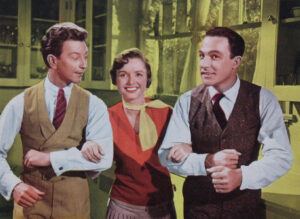
 Set against the backdrop of late-1920s Hollywood, ‘Singin’ in the Rain’ captures the film industry at a pivotal moment—its transition from silent films to talkies. Imagine a time when the magic of cinema was shifting gears, with technology reshaping the landscape. This movie masterfully encapsulates that transformative era, reflecting the excitement and turbulence of change.
Don Lockwood, the dashing silent film star played by Gene Kelly, finds his glittery career threatened by the advent of sound. His journey through this paradigm shift is both relatable and fascinating. His character is crafted with such depth that it echoes the real stories of actors who lived through that disruptive period. Whether it’s grappling with personal growth or the industry’s evolution, Don stands as a symbol of adaptability.
The movie doesn’t just tell a fictional tale but offers a satirical gaze at fame and the fickleness of the film industry. The chaos that ensued with the move to sound is mirrored in humorous and poignant scenes. Through clever dialogue and witty plot twists, the film captures Hollywood’s charm and its unpredictably competitive nature.
Beyond staged sets and the glamor of bygone Hollywood, ‘Singin’ in the Rain’ lets you peek behind the curtain into an era marked by creativity and challenges. For lovers of cinema, this movie is a delightful reflection on how art continuously reinvents itself, both embracing new technology and poking gentle fun at its eccentricities. It’s a testament to the resilience and imagination that continue to drive the industry today.
Ravishing Musical Performances: A Spotlight on the Cast
Gene Kelly is an absolute powerhouse in ‘Singin’ in the Rain.’ His talent, charm, and athletic grace bring Don Lockwood’s character to life, with the iconic rain-dance scene sealing its place in cinematic history. This sequence isn’t just famous without reason—it’s a showcase of Kelly’s unmatched expression and joy, transforming a simple rainy day into a spectacle of pure delight.
Donald O’Connor lights up the screen as Cosmo Brown, a character who brings extraordinary energy and humor. His ‘Make ’Em Laugh’ routine is a whirlwind of physical comedy, blending slapstick with expert timing and agility. O’Connor demonstrates how physicality and comedy can elevate a film, making you laugh just as much with his dance as with his dialogue.
Debbie Reynolds stars as Kathy Selden, balancing immense pressure as a fresh face amidst seasoned performers. Her portrayal radiates warmth and charm, crafting a character that’s not only endearing but also pivotal to the storyline. Reynolds’ performance is a reminder that raw talent, even without decades of experience, can steal the spotlight.
Together, this trio forms the core of ‘Singin’ in the Rain,’ ensuring that it’s not just a visual experience but a symphony of acting, comedy, and dance. The balance of romance, humor, and song creates a film that remains captivating to anyone who watches it. For those delving into the magic of classic musicals, this cast sets the gold standard for breathtaking performance and chemistry on screen.
Capturing Cinematic Joy: Crafting Visual and Musical Brilliance
Technicolor in ‘Singin’ in the Rain’ isn’t just a visual treat. It’s a vibrant canvas splashed with hues that bring every scene to life. The film’s vivid color palette not only draws the eye but enhances the narrative, making every moment feel energetically alive.
The choreography in this film rivals any Broadway spectacle. Each dance number is artfully integrated, serving the story and character development while remaining astonishing in its complexity and execution. These dance sequences don’t just entertain—they advance the plot in ways that dialogue alone often can’t.
Visual storytelling here blends seamlessly with musical narrative. This blend is what turns ‘Singin’ in the Rain’ into a timeless piece of art. The choreography, camera work, and vibrant visuals work hand in hand, creating an immersive experience that wraps around you with every frame and every note.
The balance of satire and affection in the film strikes a perfect chord. It pokes fun at the world of filmmaking without losing its genuine love for the craft. This is no small feat—the film revels in the chaos while celebrating the ingenuity that defined Hollywood’s golden age.
For both moviegoers and filmmakers, ‘Singin’ in the Rain’ is more than entertainment; it’s a lesson in capturing joy through visual and musical storytelling. Anyone keen on understanding how to create a visually compelling narrative can find a wealth of inspiration in the film’s masterful scenes.
A Lasting Legacy: Why ‘Singin’ in the Rain’ Still Reigns Supreme
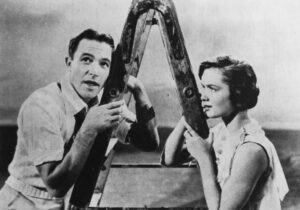 Generations have come and gone, yet ‘Singin’ in the Rain’ remains a staple in the pantheon of classic musicals. Its timeless appeal lies in staying relevant across decades, a testament to its innovative storytelling that continues to resonate with movie lovers today. It’s like that old friend whose stories never get old, no matter how many times they’re told.
The film’s joyful, irreverent take on the movie industry serves as a masterclass in sustaining impact in pop culture. Iconic scenes, like Gene Kelly’s dance in the rain, find their way into everything from college film studies to pop culture references. This enduring influence speaks volumes about its universal themes and cheerful approach to filmmaking.
Modern filmmakers often draw inspiration from its seamless blend of comedy, music, and charm. For those crafting their own stories, ‘Singin’ in the Rain’ offers invaluable lessons on balancing narrative depth with entertainment. A reminder that movies can be joyfully complex, providing both insight and escapism without sacrificing quality.
What makes this film a must-watch is its ability to transcend genre and time, wrapping its narrative in feel-good optimism that promises a delightful watch every time. This movie doesn’t just belong to the past; it’s an active part of culture today, proving that the legacy of great storytelling endures. Its genius lies in showing just how magical cinema can be, an art form that captures hearts and minds, no matter the era.